 Pin It
 There's something about celery root that whispers rather than shouts. My first encounter with this knobby, unassuming vegetable happened at a winter farmer's market, where a vendor insisted it would transform into something silky and refined. Skeptical but curious, I brought one home, peeled away its rough exterior, and discovered the pale, almost delicate flesh beneath. That first bowl of bisque taught me that the most elegant dishes sometimes hide beneath the humblest appearances.
I made this soup for my grandmother's bridge club on a rainy Thursday afternoon, nervous that celery root felt too obscure, too different. The kitchen filled with the gentle aroma of leeks and butter softening together, and something shifted—by the time I poured the cream in, I'd stopped worrying. Watching her friends ask for seconds, calling it refined and comforting in the same breath, I realized the vegetable's quietness was actually its strength.
Ingredients
- Celery root: The star that deserves respect—peel generously to remove the fibrous exterior, then dice it small so it softens evenly and blends into silk.
- Yukon Gold potato: This variety breaks down creamily rather than turning gluey, adding body without making the soup feel heavy or starchy.
- Leek: The white and light green parts deliver sweetness that develops as they soften, creating the soup's gentle aromatic foundation.
- Vegetable broth: Choose a quality brand or homemade stock—it's the backdrop that lets celery root's subtle nuttiness shine through.
- Whole milk and heavy cream: Together they create that signature velvety finish; plant-based versions work beautifully if you're avoiding dairy, just warm them gently.
- Butter: A couple tablespoons coaxes out the vegetables' natural sweetness while building flavor depth from the very first sauté.
- Bay leaf: A quiet flavor keeper that you'll remove before blending, having already given its essence to the broth.
- White pepper: More delicate and less sharp than black pepper, it seasons without darkening the soup's pale, elegant appearance.
Tired of Takeout? 🥡
Get 10 meals you can make faster than delivery arrives. Seriously.
One email. No spam. Unsubscribe anytime.
Instructions
- Build your flavor base:
- Melt butter over medium heat and add sliced leek, chopped onion, and minced garlic, stirring occasionally until they've softened into a fragrant, translucent layer without any color—this should take about five minutes, and you'll smell when it's ready.
- Welcome the main players:
- Add your diced celery root and potato, giving them three minutes in the warm butter so they begin releasing their flavors and developing a subtle sweetness.
- Let time do the work:
- Pour in the vegetable broth, slip in your bay leaf, and bring everything to a boil before reducing the heat and covering the pot for a gentle twenty-five minute simmer until the vegetables have become tender enough to break apart with just a spoon.
- Transform to silk:
- Remove and discard the bay leaf, then use an immersion blender to purée the soup right in the pot, working in sections and listening for the sound to deepen as it becomes completely smooth—or carefully transfer batches to a countertop blender if that's your tool.
- Finish with grace:
- Stir in the milk and cream slowly, heating gently without boiling, then taste and adjust the seasoning with salt and white pepper until the flavors feel balanced and complete.
- Serve with intention:
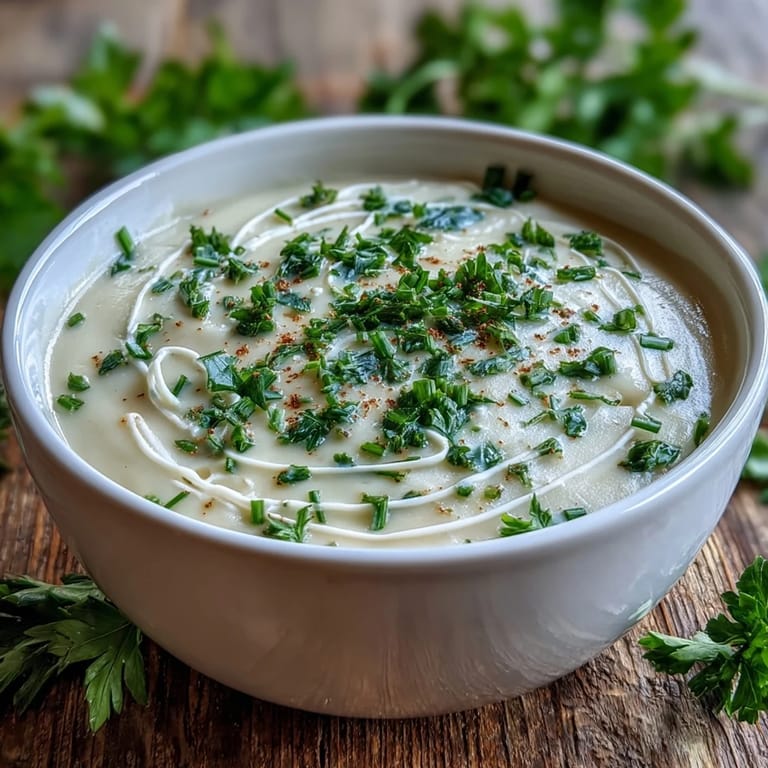
- Ladle into warm bowls, garnish with fresh chives or parsley, and add a whisper of cream if you're feeling indulgent.
 Pin It
 There was a moment, halfway through blending, when steam rose up and fogged my glasses, and I caught the most unexpected aroma—something between chestnuts and cream, delicate and almost sweet. That's when I understood why French cooks treasure this soup; it's not just about flavor, it's about the transformation from humble to haute that happens in your own kitchen.
Texture Secrets That Matter
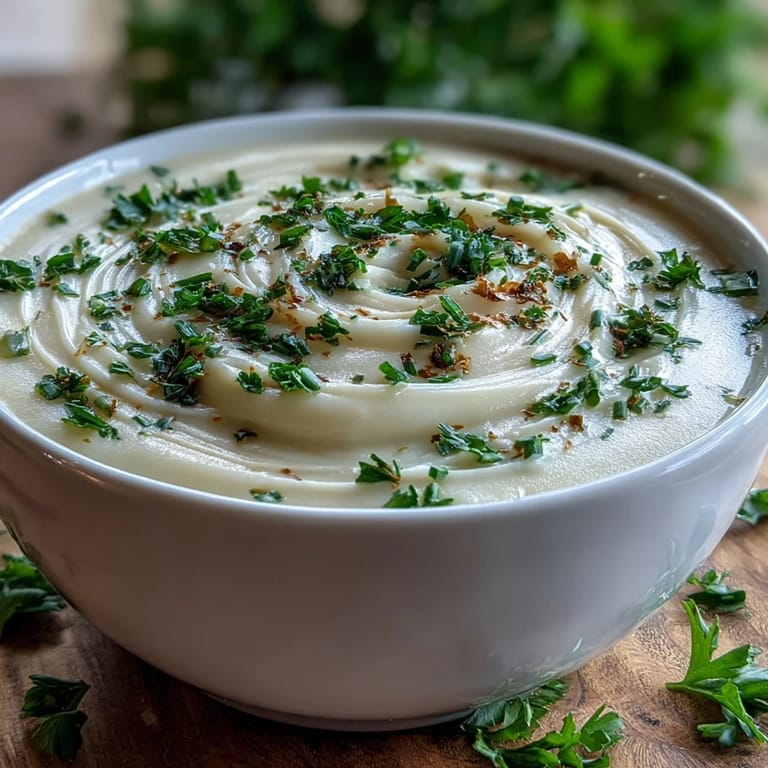
The difference between a good bisque and an extraordinary one lives in how thoroughly you blend it. I learned this the hard way by rushing through with short bursts of the immersion blender, only to find tiny grainy bits lingering on my tongue. Now I give it the time it deserves, working methodically until there's not a single particle of vegetable visible—the soup should coat the back of a spoon like silk.
Building Flavors Thoughtfully
The leek is doing more work than it appears to be doing, sweetening and softening as it sautés in butter, creating an almost imperceptible aromatic base that makes the celery root taste even more like itself. I once skipped the leek to save time and ended up with a soup that tasted flat and one-dimensional, missing the gentle sweetness that makes people pause mid-spoon and wonder what they're tasting. That mistake taught me that quiet ingredients often matter the most.
Wine, Variations, and When to Get Creative
My favorite version emerged on a winter evening when I found half a glass of crisp white wine on the counter and added a splash after the vegetables had softened—it brightened everything, adding a subtle minerality that made the soup taste somehow both richer and lighter at once. You can also add a pinch of nutmeg if you love warmth, or a touch of truffle oil if you're celebrating something special, but my truest recommendation is to make it plain first, taste it, and only then decide what it needs.
- For a vegan version, use olive oil instead of butter and swap the milk and cream for quality plant-based alternatives, warming everything gently to keep the flavors pure.
- A splash of dry white wine added after the vegetables soften brings brightness and complexity that feels like a luxury secret.
- This soup freezes beautifully for up to three months, though it's best to freeze it before adding cream so you can adjust the consistency when reheating.
 Pin It
 This soup has become my go-to when I want to feel resourceful and a little refined without spending hours in the kitchen. It's the kind of dish that reminds you why people fell in love with cooking in the first place.
Recipe FAQs
- → What does celery root taste like?
Celery root offers a mild, subtle celery flavor with nutty undertones and slight sweetness. When cooked, it becomes creamy and mellow, making it perfect for velvety soups.
- → Can I make this bisque ahead of time?
Absolutely. This bisque actually develops deeper flavor when made ahead. Store refrigerated for up to 3 days. Reheat gently over low heat, stirring occasionally to maintain silky texture.
- → What makes this bisque smooth and creamy?
The combination of potato and celery root naturally thickens the soup. Adding milk and heavy cream creates luxurious velvety texture. Blending until completely smooth ensures professional consistency.
- → How do I achieve the smoothest texture?
Use an immersion blender directly in the pot, or purée in batches using a countertop blender. Blend until completely smooth with no visible pieces. For extra refinement, pass through a fine-mesh sieve.
- → What garnishes work best?
Fresh chives or parsley add bright color and flavor. A drizzle of cream creates elegant swirls. For extra richness, top with caramelized celery root cubes or toasted croutons.
- → Can I freeze this bisque?
Yes, freeze for up to 3 months. Cool completely before transferring to airtight containers. Thaw overnight in refrigerator, then reheat gently. Cream may separate slightly but reblending restores texture.